
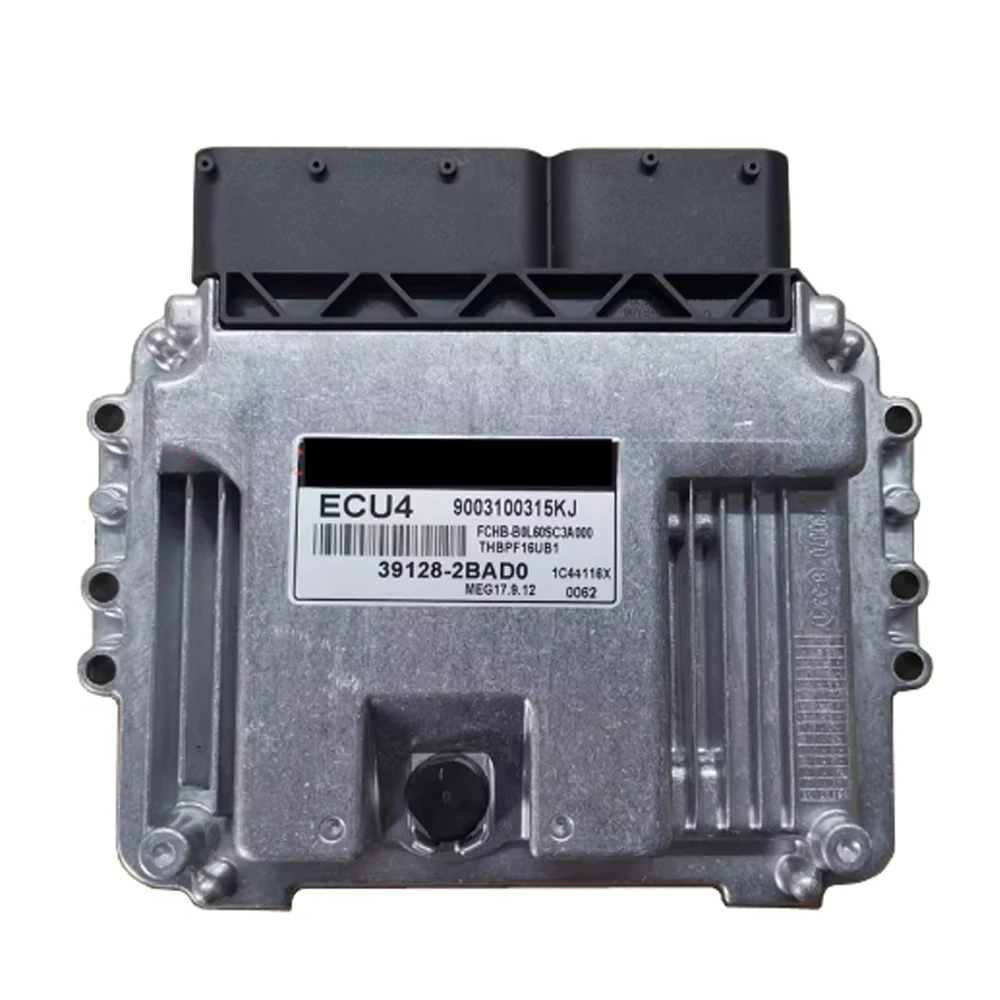
What is an ECU? Inside the Black Box: Anatomy, Functions, and Why They Fail
If you’ve ever popped the hood of a modern car, you might be surprised to learn that one of the most important parts isn’t visible at all. Hidden deep within the vehicle’s wiring system is a small, unassuming device that controls nearly everything your engine does: the ECU, or Engine Control Unit.
Often referred to as the “brain” of your car, the ECU monitors, analyzes, and adjusts critical engine parameters thousands of times per second. Without it, your engine wouldn’t idle properly, deliver fuel efficiently, or meet today’s strict emission standards.
Let’s open up the ECU box and explore what an ECU really does, what’s inside it, and why these electronic brains sometimes fail.
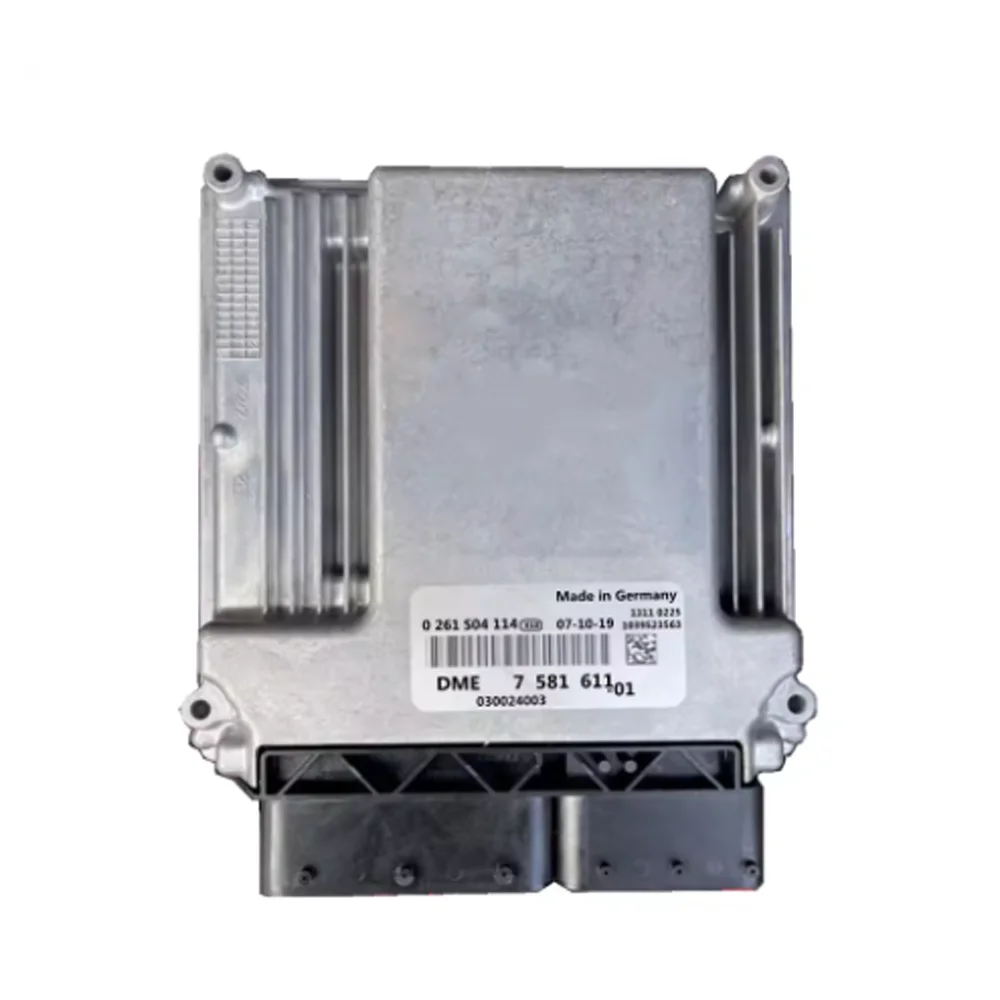
1. What Exactly Is an ECU?
An Engine Control Unit (ECU) is an embedded computer that manages engine performance. It receives input from dozens of sensors surrounding the engine and uses this information to make real-time adjustments, controlling fuel injection, ignition timing, air intake, and other parameters.
In modern vehicles, the ECU works alongside a network of other modules (known as the ECM, TCM, or PCM) to ensure smooth performance and compliance with emissions regulations.
Think of it this way:
-
Sensors are the nervous system (they send data).
-
The ECU is the brain (it makes decisions).
-
Actuators are the muscles (they carry out the commands).
2. Inside the Black Box: ECU Anatomy
Though sealed in a rugged metal or plastic casing, an ECU is a sophisticated piece of hardware. Here’s what’s inside:
🔹 Microprocessor (CPU)
The heart of the ECU. It processes data from sensors and executes programmed algorithms to control engine functions.
🔹 Memory Chips
-
ROM (Read-Only Memory): Stores the permanent software or “firmware.”
-
RAM (Random Access Memory): Temporary data storage used during operation.
-
EEPROM/Flash Memory: Stores calibration data, fault codes, and learned driving behavior.
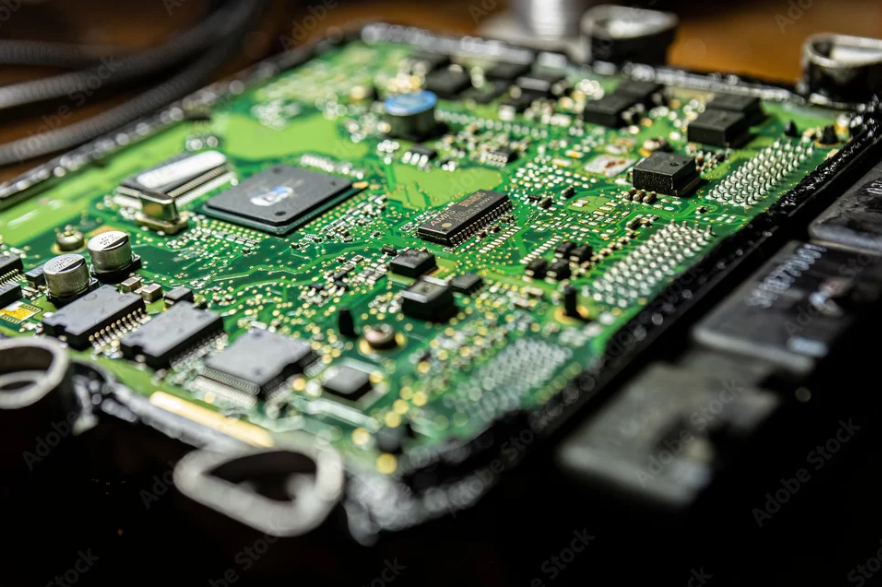
🔹 Input Circuits
Convert analog signals from sensors (like oxygen or temperature sensors) into digital signals that the CPU can understand.
🔹 Output Drivers
These control actuators such as fuel injectors, ignition coils, and throttle motors.
🔹 Power Supply and Protection Circuits
Ensure the ECU gets clean, stable power — and protect it from voltage spikes or shorts.
All of this is typically sealed with epoxy resin or silicone to protect against vibration, moisture, and heat.
3. How an ECU Works
Here’s a simplified version of what happens when you start your car:
-
Sensors collect data on engine temperature, air pressure, oxygen levels, throttle position, etc.
-
The ECU processes the information using algorithms and lookup tables (maps).
-
Commands are sent to actuators adjusting how much fuel is injected, when the spark plugs fire, or how the idle is controlled.
-
Continuous feedback allows the ECU to refine its control in real time.
This closed-loop control system ensures maximum efficiency, performance, and emissions compliance.
4. Why ECUs Fail
While ECUs are built to last, they aren’t invincible. Here are the most common reasons they fail:
⚙️ Electrical Overload or Short Circuit
A faulty alternator, jump-starting errors, or wiring shorts can send voltage spikes that damage internal circuits.
🌧️ Moisture or Corrosion
Even sealed ECUs can suffer water intrusion over time, leading to corrosion or shorted connections.
🔥 Overheating
Extreme heat, especially when mounted near the engine, can degrade solder joints or components.
💾 Software Corruption
Failed updates, tuning errors, or memory corruption can make the ECU unresponsive or erratic.
🧩 Physical Damage
Vibration, impact, or improper handling during repairs can crack solder joints or circuit traces.
5. Signs of a Failing ECU
Watch for these symptoms that might indicate your ECU is in trouble:
-
Check Engine Light stays on or flashes erratically
-
The engine misfires or stalls unexpectedly
-
Poor fuel economy or loss of power
-
Difficulty starting or no-start conditions
-
Random sensor or actuator fault codes
If these appear, diagnostic testing with a scan tool can confirm whether the ECU is the culprit.
6. Can an ECU Be Repaired or Reprogrammed?
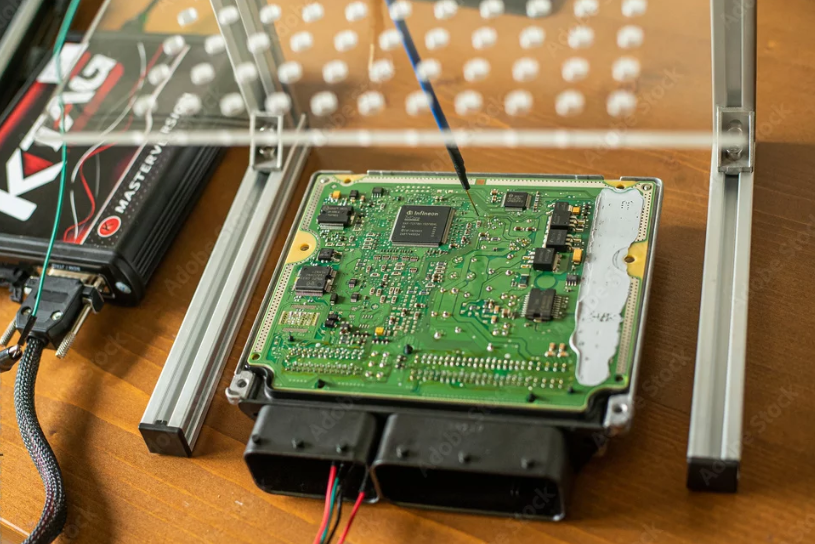
In many cases, yes. Specialized ECU repair services can replace damaged components, fix broken traces, and reprogram corrupted firmware. However, some ECUs are sealed or encrypted, making repairs difficult or uneconomical.
When repair isn’t an option, replacement ECUs can be installed and programmed to match your vehicle’s VIN and immobilizer system.
Final Thoughts
The ECU may look like a simple black box, but inside it lives a complex world of microprocessors, code, and circuitry that keeps your car running smoothly and efficiently. Understanding how it works and why it fails can save you time, money, and frustration when troubleshooting modern vehicles. You may contact us for more details.
As cars continue to evolve toward electrification and autonomy, ECUs will only grow more powerful and interconnected, truly the digital heartbeat of the modern automobile.